Over the past six years, we have worked with eight Centres for Doctoral Training and supported more than 200 PGRs, gaining valuable insights into building successful doctoral environments.
We have found that CDTs rarely lack provision, but challenges arise when experiences are inconsistent. Common issues include supervisor engagement, expectation setting, communication of concerns, and access to resources.
When things are not going to plan
In CDTs where a 5-star PGR experience is not achieved, early warning signs are often subtle.
PGRs may hesitate to approach supervisors or professional services. Although support is available, it often goes unused, and concerns remain unaddressed.
Over time, this results in escalating issues, disengagement, and problems emerging too late to address effectively.
This increases pressure on CDT Leads. With supervisors already stretched, managing inconsistent supervisory experiences becomes more difficult, ultimately affecting research outcomes.
The role of cohort culture
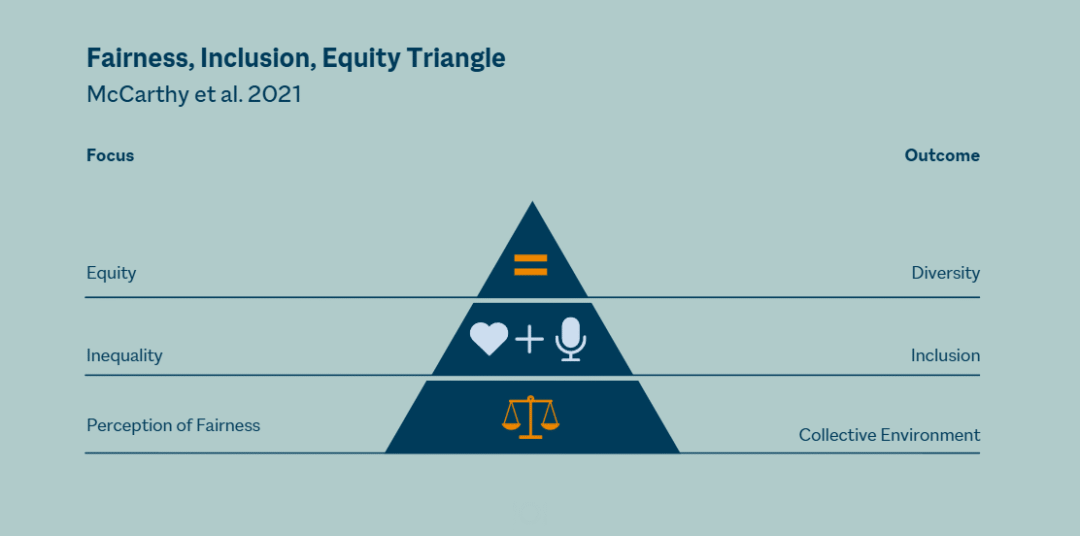
While leadership and structure are important, cohort culture is also a critical factor.
Active community building is often overlooked in many CDTs, either absorbed into existing staff roles or left to develop organically. This approach may suffice during stable periods but is less effective when challenges arise.
The greatest impact occurs when PGRs are supported to take ownership of their environment through inclusive, PGR-led initiatives.
What this looks like in practice
Projects have included:
- PHDiscuss – a peer-led series addressing common PhD challenges and reducing isolation
- social calendars intentionally designed for inclusion
- peer review groups that provide safe spaces for feedback
While these ideas are not new, their effectiveness depends on how they are developed and owned by the cohort.
For example, during COVID, one cohort transitioned their projects online early, resulting in strong engagement at a point where many cohorts struggled with isolation.
Across CDTs, we have also seen:
- projects continuing beyond a single cohort
- activity extending beyond the initial training
- students who were initially sceptical becoming active participants
This shows that when given structure and autonomy, PGRs actively build stronger engagement and support within their cohort.
Where it does not work
Not all projects succeed, and we consistently see the same pattern.
Projects tend to fail when they are too large and become unmanageable alongside doctoral work, if they start too late and clash with key PhD milestones, or lack visible supervisory support. A clear balance is needed: too much work leads to overload, too little support leads to disengagement.
A structured approach – IDEAL Projects
To address these challenges, we developed our training project further, rebranding as IDEAL (Inclusive Doctoral Environments through Applied Learning).
We embedded our learning to create a structured programme that enables PGRs to design and deliver practical projects addressing real challenges within their CDT. IDEAL Projects support CDTs working towards a 5-star PGR experience by providing a clear structure that fosters autonomy and builds a more inclusive environment.
Alongside structured supervisory support, IDEAL Projects helps PGRs develop ownership and contribute to a more supportive CDT culture.
IDEAL provides a structured process for PGR-led projects:
- training
- proposal
- review and resubmit
- mini viva
- CDT approval and funding
- implementation
- final report and lessons learnt
This structure is important. It enables PGRs to take ownership without unnecessary burden and provides legitimacy to projects within the CDT.
In practice, IDEAL supports the following outcomes:
- PGRs feel more confident raising and addressing issues
- CDTs build more consistent support across cohorts
- initiatives continue beyond one-off activity
- ability to demonstrate funding success on grant proposals
- support becomes more visible when things go wrong
It also reduces pressure on supervisors by distributing responsibility for the doctoral environment.
Final thought
CDTs often have the right structures in place. The challenge lies in enabling PGRs to engage with these structures confidently and consistently.
When PGRs are supported to shape their environment, CDTs become more resilient and supportive, especially during challenging periods. This is where the greatest impact is seen.
If you would like to understand how your CDT compares, or where gaps in PGR experience are likely to emerge, you can explore insights from our BRACE Light Report or get in touch to discuss how IDEAL Projects could be applied within your CDT.